

I was stuck for two months!
Stuck with the decision to organise the very first masterclass on making decisions. How ironic that a guy who wants to know everything about the decision-making process was stuck with the decision for so long. My friends can confirm: I was going through all possible scenarios, as it was irreversible.
Finally, I went through a decision log, and decided to do it. The reversibility check made all the difference. I realised that I can easily cancel/refund/modify. Whatever happens, I’ll learn something. I had too many ideas and possibilities, but sometimes it’s better to just pick anything, and act fast to learn what really works.
Being too cautious and treating Type 2 decisions as Type 1 was my problem.
What are these two types?
There are many different lenses of looking at reversibility: some treat it as a cost & time spectrum, others focus on designing decisions to be more reversible. But I’m focusing on how categorisation can help us act faster, as it helped me.
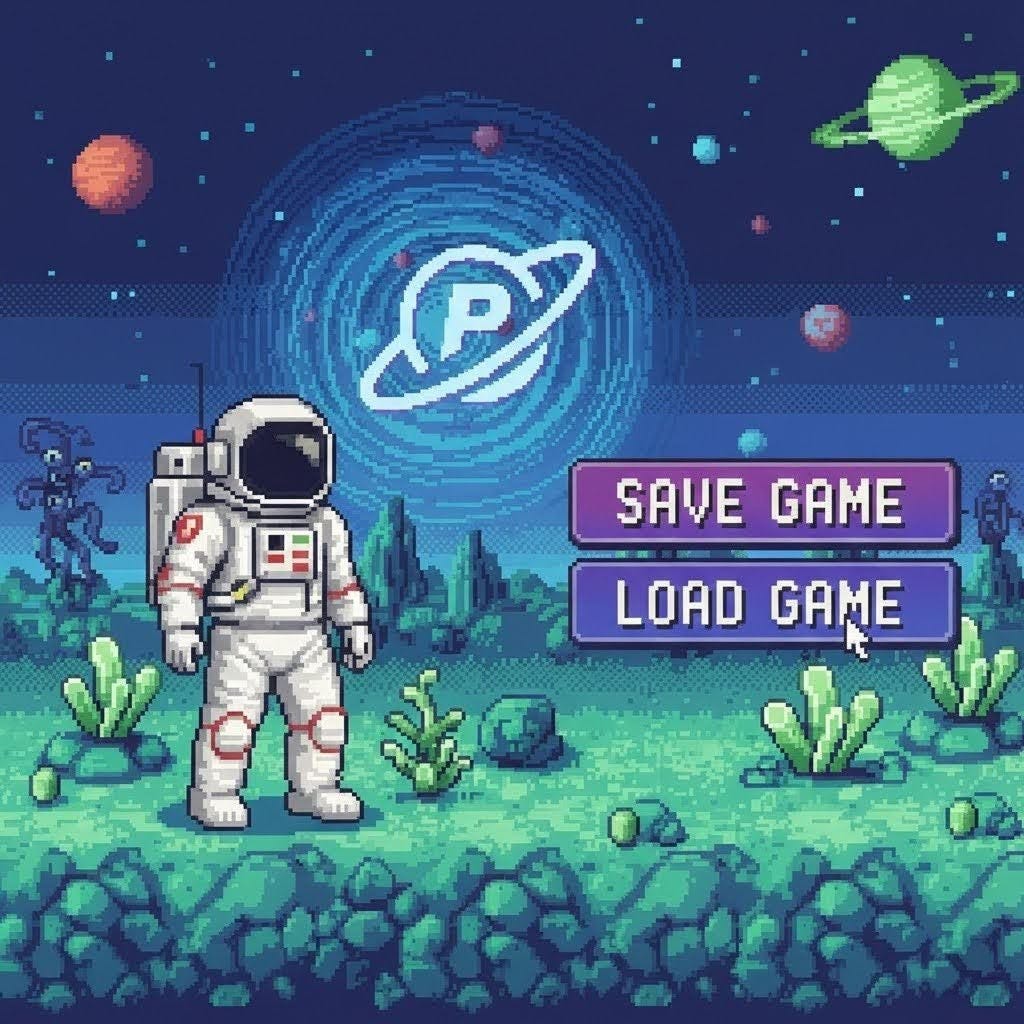
Two Types
When I was a kid and played my first video games, the Load and Save features were lifesavers, but when they didn’t work, it felt like the end of the world. On the other hand, bringing back the state of the game was fun and kept me playing, kept me improving.
The feature of having a game’s state restored is a good analogy that we can use in the decision-making process, via the mental model of reversibility.
Before approaching any kind of decision, it’s worth pausing and understanding what type of problem we are dealing with.
Two types of decisions were coined by Jeff Bezos in his 2015 letter to Amazon’s shareholders:
Type 1 decisions are irreversible or difficult to reverse. These need to be approached with great care, deliberation, and preferably with a decision log. Examples include changing jobs, having kids, or buying a house.
Type 2 decisions are easily reversible. Examples include creating a side hustle, learning a new hobby, and choosing what to have for dinner.
Type 1: Deliberate
These decisions can influence your whole life. Slow down and act deliberately.
What helps:
Pausing — stepping back helps with calming down emotions and noticing biases and prejudices
Using a Decision Log — utilising a structured way of making decisions forces us to collect our thoughts and, as a side effect, exposes our blind spots
Use Socratic Questioning — challenges assumptions and explores other perspectives
Going through relatable mental models to find more possibilities
Inversion — points out what we should avoid at any cost
Second-order thinking — protects us from unexpected consequences
This isn’t exhaustive. I explore the full process in my 90-minute masterclass on the 5D Decision-making Pipeline.
Type 1 is playing the game with no ability to reverse its state back to before it was decided. But the opposite happens for Type 2, it’s where the fun begins.
Type 2: Fast
Do you remember how fun it was (or still is) to play video games? It was definitely fun for me. Part of that joy was ability to progress constantly. Having an option to Save & Load makes us enjoy playing so much more.
It’s the same with decision-making: we can play with our choices more easily keeping in mind that we can always Load the previous state, and get back to the state before we made that call.
Rewiring our perspective on making mistakes can help with acting fast:
You need to know where you can experiment. The key is to make mistakes “cheap” (lower their cost) and embrace them when they happen as a learning opportunity.
— Make Mistakes Cheap, Not Rare — Art of Making Mistakes
Knowing that we are dealing with a fully reversible decision can act as an accelerator.
Move fast, iterate, and learn. The learning part is key, as in the end, we want to progress, as with games, starting from Loaded too many times is discouraging.
Final Thoughts
When someone approaches a reversible decision as an irreversible one, it’s as if they want to play the game on the hardest possible setting, missing all the joy of playing by being too cautious and scared. Like I was before deciding on running the masterclass.
The shift to move much faster has been one of the most important changes for me in the last few weeks.
What reversible decision are you treating like it’s irreversible right now?
Thanks for reading,
— Michał
Post Notes
I’ll explain why I don’t have the “Discover Weekly — Shoutouts” section this week.
As you’re reading this, I’m on my second 10-day silent retreat meditation. It’s quite interesting to share thoughts even while it’s forbidden to write anything where I am. But they didn’t ban scheduling articles in advance.
You can read about my previous attempt, and I hope for even more perspectives this time:

Connect
LinkedIn | Substack DM | Mentoring | X | Bsk