

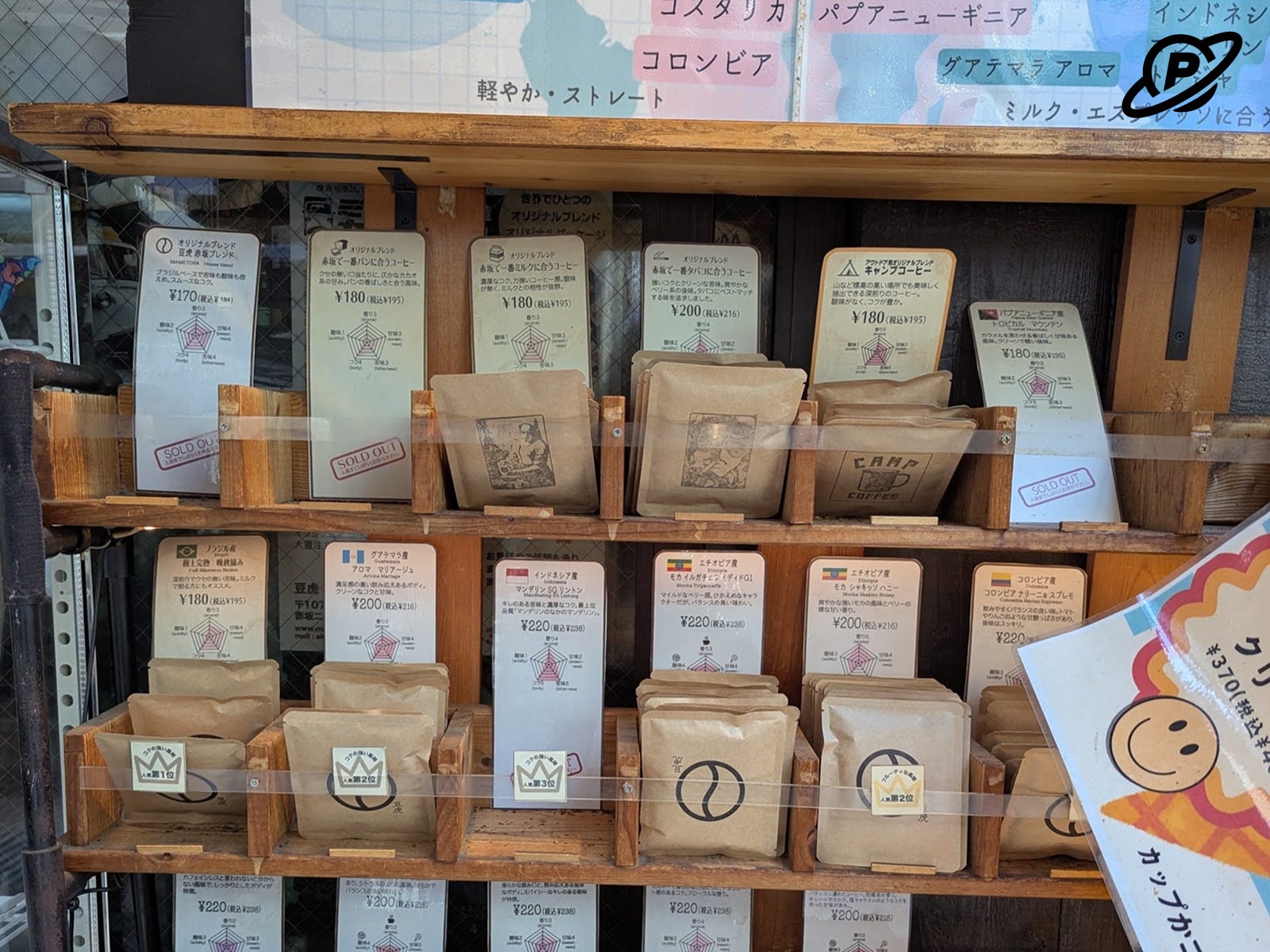
It’s assumed that freedom means having choices. So, it’s natural to think that having many choices on how to live your life, or having 50 different kinds of jam to choose from, is good for us. But according to research presented by Barry Schwartz in his book The Paradox of Choice: Why More Is Less, this is far from reality.
One of the studies, by Sheena Iyengar and Mark Lepper, on this matter looked at choosing jam varieties in a grocery store. One group had 6 to decide from, while the other had 24. The table of 24 jams attracted more interest but only 3% of people bought one, while 30% of people bought one of the 6 jams.
Too many choices create decision paralysis and can be exhausting. With fewer options, we might not find an ideal one, but it’s often much easier to decide.
While this isn’t always true, we’ll look at some perspectives that affect it.
Deciding Human
Your personality might play more of a part than the number of choices in front of you. If you always strive for the best decisions (maximising them) then you’ll struggle with having more options, but if you can easily settle for “good enough” (ignoring the best one) then the number of options might not matter at all.
A set of studies on “Maximizing versus satisficing: happiness is a matter of choice” worked on this relationship, focusing on who is deciding rather than options. They set up a “Maximisation Scale” for given individuals which measured how big the desire to maximise is. There was a negative correlation between maximisation and happiness, and a positive correlation with depression, perfectionism, and regret. This leaves maximisers less happy about their choices. They named people who can settle on good enough as Satisficers, as opposed to Maximisers.
Letting go of desires and cravings is a huge part of Buddhist tradition. This includes being able to let go of options when you have too many. I had the chance to participate in silent meditation retreats where, for 10 days, we were partially curing the paradox of choice and focusing on living in the moment rather than dwelling on lost opportunities.
Personality is one thing, the set of choices and the circumstances are another:
Complexity of Choices
The following points play important roles when many options are available:
how easily options are comparable (Fredkin’s paradox)
if there is any time pressure to decide
what people’s preferences are
These points influencing decision-making are backed by the meta-analysis from 2015 that focused on overload from too many options.
There is no objective measure. It’s a qualia experience, as the choice feels different and it’s impossible to compare between people. Thinking through how complexity and number of choices influence your decision-making process is a worthy assessment to do for yourself. Cognitive load is a valuable resource to track.
From my own experience, even with many options, it’s the time pressure that helps me cut through options with no regrets (as there is no time to have them). When in need, I work with made-up deadlines.
Final Thoughts
The awareness of how the number of choices influences your perception of those is a useful tool to help you with managing your time and cognitive resources wisely.
When designing perfect pricing, writing an article or telling a story, thinking about the cognitive resources of someone who will be choosing or consuming our content is key to maximising how easy it is for them to digest or decide.
How do you deal with too many options?
Are you more of a Maximiser or a Satisficer?
Thanks for reading,
— Michał
Post Notes

Discover Weekly
Content worth your time:
Agentic coding is boring if you only write code by Akos Komuves
The Engineering Manager’s role is under attack (again) by Anton Zaides
Everything around you that you call life was made up by people that were no smarter than you by Giacomo Falcone
Podcast (Live Sessions)
Homepage | Spotify | YouTube | Apple Podcasts | Castbox | Pocket Casts
Connect
LinkedIn | Substack Profile | TopMate | X | Bsky