

The most memorable lesson from working in pre-sales was that the right solutions are often initially invisible. At the beginning of my career, I once jumped in to estimate a custom solution and spent hours on it, only for more experienced engineers to suggest an off-the-shelf product that perfectly matched the client’s needs.
The Circle of Competence is a mental model that reminds us of the boundaries of our knowledge. Warren Buffett and Charlie Munger used the term to support investing in assets that they deeply understand, but it has wider applications.
I’m no genius. I’m smart in spots—but I stay around those spots.
Tom Watson Sr., Founder of IBM

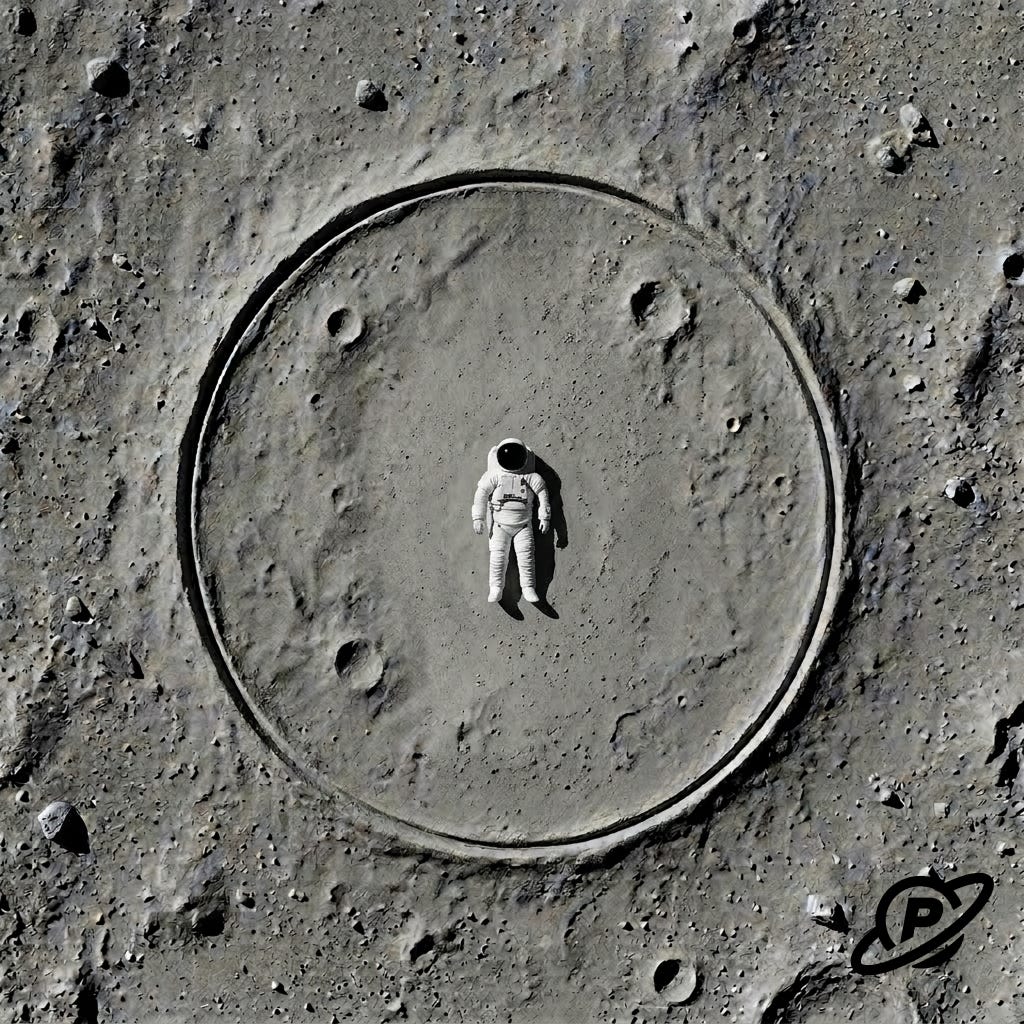
Everything we know lies in this green circle. That is our Circle of Competence. Outside of that, the slightly bigger circle stores all the things that we just think we know. The gap between those two circles is where ego and overconfidence live.
Inside The Circle
When a task seems easy, but you end up spending hours instead of minutes finishing it, you may have wandered outside your Circle of Competence. Inside the circle, we know what to do. We have expertise. Operating inside the circle gives us confidence that may lead to overconfidence.
The problems happen in areas where we think that we have the knowledge. We can use others’ perspectives to check whether our understanding is correct.
The Forest and Its Specialists
Thought experiment: imagine the forest as a natural piece of land covered by dense trees, using the perspectives of:
Lumberjacks: the forest serves as a source of raw materials. They are skilled in the proper methods of chopping wood, storing it, and using it as a material.
Biologists: the forest represents life, trees, insects, and the entire ecosystem within its layer of forest litter. Their focus is on organisms that inhabit it.
Runners: the forest offers an excellent area for trail running. They are familiar with all the ideal courses for their 10k runs, knowing the terrain.
Each of these groups has its own Circle of Competence, and the forest is a complex system. When dealing with a problem that touches a complex system, help might be needed. Ask others with different specialisations.
Biologists can map the ecosystem in detail, but they can’t tell you how to fell a tree safely. You don’t have to learn everything. You just have to know who to ask.
One group acts as generalists: Foresters. They have enough overlapping knowledge of the groups to manage the forest. Sometimes, being a generalist helps you know exactly whom to ask.
While working with your teams, solving problems or planning your career, try to understand the perspectives of different groups and their circles.
Final Thoughts
I was focused on writing software, not solving problems. Being aware of your limits, and of what you truly know, guides your growth. The best solution might be outside of your expertise.
How often do you question how much you know?
Where is your circle drawn?
Thanks for reading,
— Michał
Post Notes

Discover Weekly
Content which I’ve read recently:
Podcast (Live Sessions)
Homepage | Spotify | YouTube | Apple Podcasts | Castbox | Pocket Casts
Connect
LinkedIn | Substack Profile | TopMate | X | Bsky
Thank you for the shout-out!
Having a moment of self-reflection to understand your own limits is definitely a strong starting point for growth. I have found it has happened to me when I am asked a question that I cannot answer immediately, or when working in a deep flow state on something, and I hit a wall with an area outside my general expertise.