

Once, I estimated an entire project based solely on vendor documentation. I was integrating a recruitment platform for a big company in Poland that had hundreds of people applying daily. But when I finally started sending the first API calls, I found out it didn’t work as expected. It hadn’t been updated for a few years, but our client, for whom we estimated the solution, assured us it was fine. It took 2 more months to figure it out, with a lot of back-and-forth with their support team.
Map is not territory is a mental model which teaches how to deal with abstractions.
A map is not the territory it represents, but, if correct, it has a similar structure to the territory, which accounts for its usefulness.
— Alfred Korzybski
There are two sides to this mental model. You are a user of other people’s maps, and you are a creator of your own. Both need different perspectives.
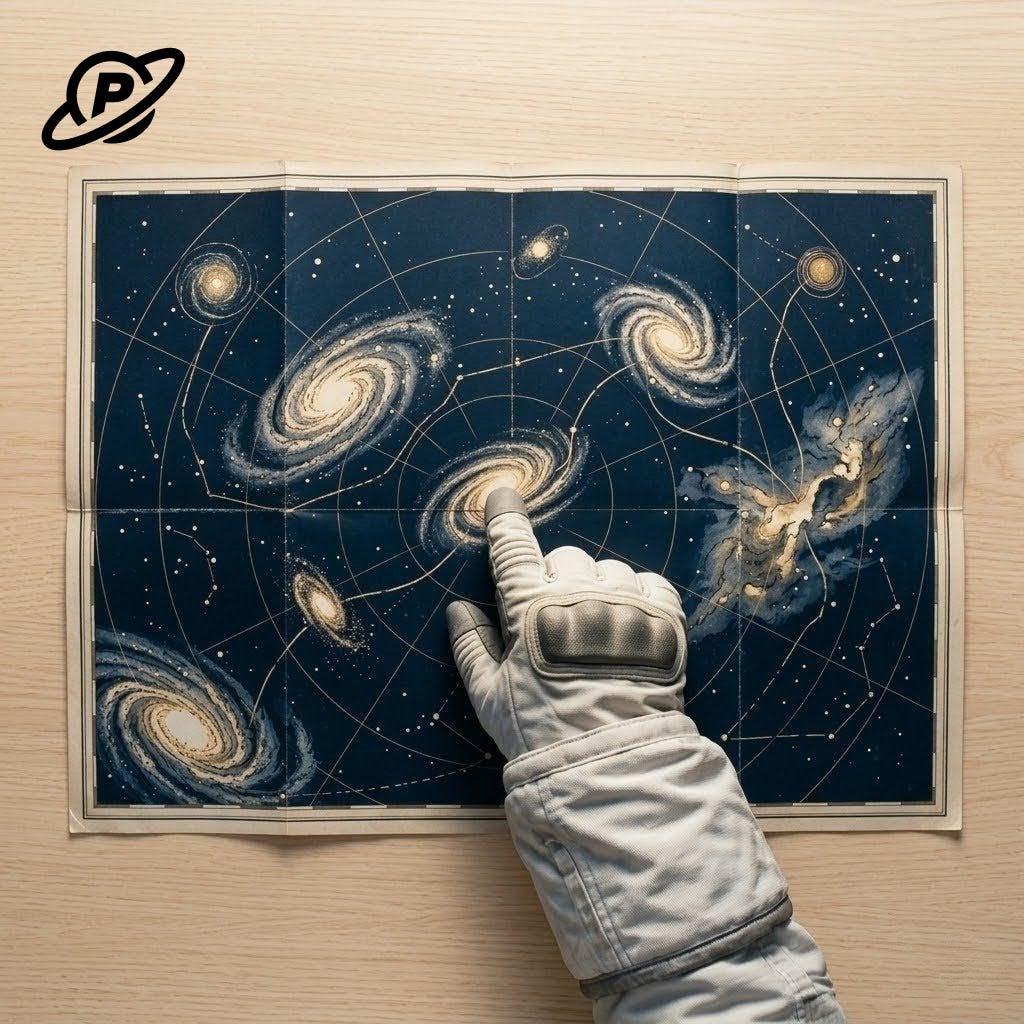
When Using Maps
Maps compress reality, but the way they compress depends on their purpose. Compressing reality introduces limitations that we should be aware of.
For example, creating a map of a 3D sphere on a 2D surface is challenging. To demonstrate it, I conducted an experiment using an orange (representing Earth) to show how its surface area appears on a flat surface (representing a map of Earth):

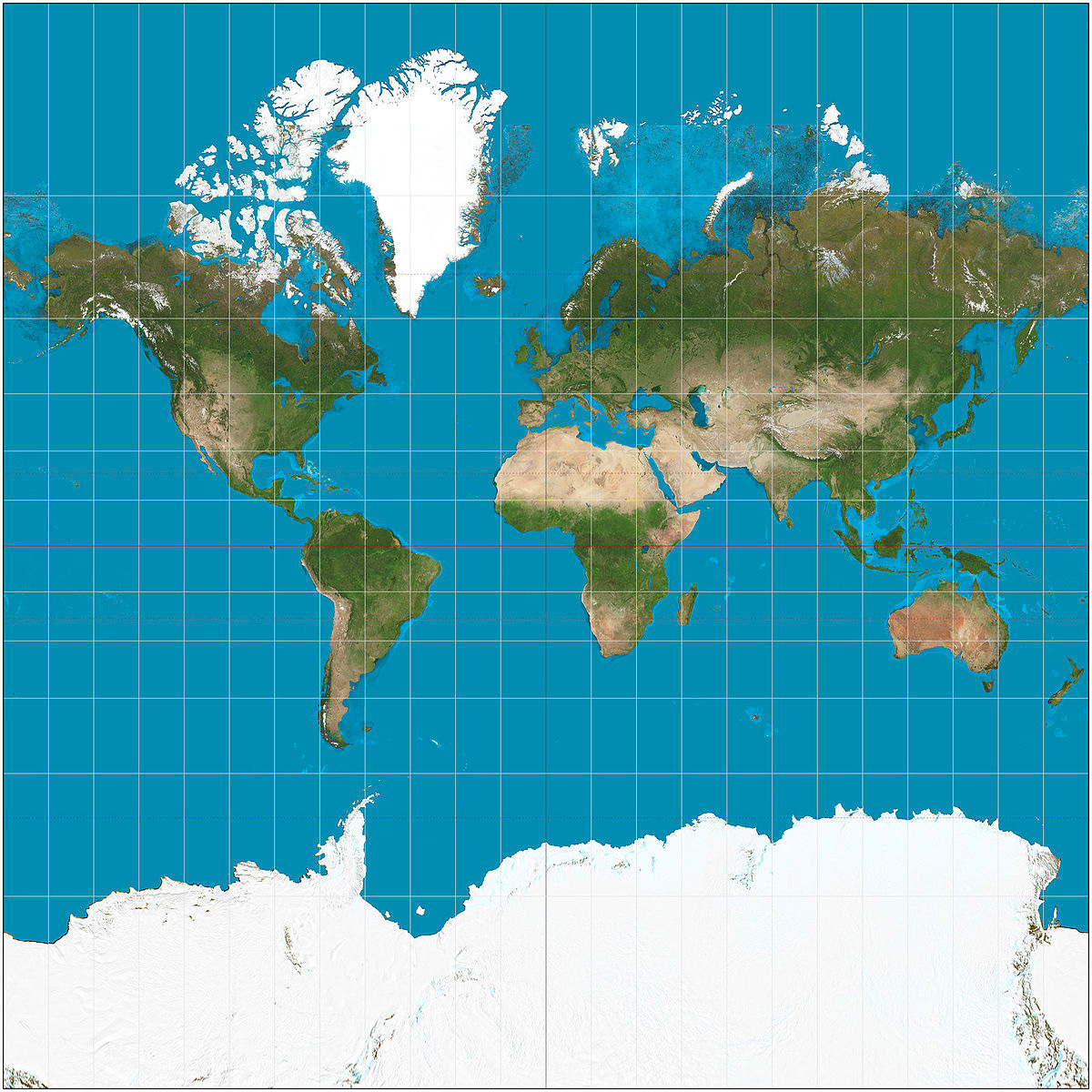
In school, I encountered the Mercator projection everywhere. It was designed in 1569 for sailors. Its purpose was to preserve accurate direction between two ports for sailors to navigate. But as a side effect, it distorts the sizes of continents. Antarctica at the bottom is a huge white mass, and Greenland looks the size of Africa. I grew up with this distorted way of perceiving continents.
Now, let’s compare it with a different map. The purpose of the Authagraph projection is to keep the relative proportions of landmasses. Antarctica finally looks like a continent, but for determining sailing routes, it would be useless.

It’s easy to forget that maps are just one form of representation of the same reality. Both the Mercator and Authagraph projections are good maps, but they prioritise different things.
Essentially, all models are wrong, but some are useful
— George Box
Maps are everywhere, and they save us from information overload, because reality is just too complex to fully represent on any map. It doesn’t matter if you are looking at photos of your potential future holiday apartment, reading documentation or looking at the literal map — their purposes and limitations are always present.
To remind yourself of it, ask:
What was the purpose of creating it?
Is it still accurate and updated?
What is it NOT showing us?
When Creating Maps
Inverting the rules of using maps can guide us when creating them (for example, when writing documentation or planning a project):
State its purpose so it is clear what is missing: Manage expectations properly for the person using it. When logging a decision, clearly name your assumptions.
Know your audience: Make sure you understand who is going to use this map. It might be your readers, or it might be yourself in the future.
Use timestamps and valid-until criteria: Make sure to point out under what circumstances the map will no longer be useful.
Speaking of valid-until criteria: for me, over-planning means over-trusting a map of the future. I used to be guilty of planning my weeks entirely, just to find out that new data on a Monday afternoon changed everything. I wasted a lot of time just planning, thinking it would move me forward, but it didn’t.
Now, I try to remind myself every time: There are moments where constantly improving the map becomes a way of avoiding action. Plans help, but past a certain point, they hit diminishing returns. Some territories are changing too fast for that level of detail.
Final Thoughts
That recruitment project taught me the most expensive lesson about maps: check the terrain before committing to battle. As military leaders learned long before software engineers, trusting the map over the terrain means defeat.
When was the last time you got surprised by maps?
Thank you for reading,
— Michał
Post Notes

Discover Weekly — Shoutouts
Great articles which I’ve read recently:
Engineering Management & Fatherhood - Take #2 by Anton Zaides
Breaking the Spell of Vibe Coding by Rachel Thomas
Podcast (Live Sessions)
Homepage | Spotify | YouTube | Apple Podcasts | Castbox | Pocket Casts
Connect
LinkedIn | Substack Profile | ADPList | X | Bsky