

The Lenses series collects thoughts that shift how you see things.
Enjoy today’s lenses.
Daily Writing
Daily writing is the new weightlifting.
Back in the day, 90%+ of the population worked manual labor on farms. We didn’t have “gyms” because everyone was breaking their back working all day.
Once we got machines, we needed a new way to keep our body in shape - lifting heavy objects (3 sets of 10), voluntarily, at the gym.
The same thing is happening for writing. Everyone is outsourcing their thinking to AI.
The brain is a muscle, and it will atrophy if you don’t use it.
— Shaan Puri
I enjoy using the gym analogy. It’s a good warning for what may happen with AI and our thinking abilities.
Our bodies lose what they don’t use. As I wrote in my description of the mental model of atrophy: the process of deterioration is slow. Every action you take is a “vote” (my favourite analogy from Atomic Habits) showing your biology what it needs to maintain or grow.
I’m a big fan of writing; thinking on paper feels like magic to me. To see my own thoughts written down and to digest what I’m thinking is revealing. To keep my writing muscle strong, it’s important to practise daily.
Do you write? If so, how often?
Mistakes
If you’re willing to recognize your mistakes, you massively tilt the odds in your favor.
— Shane Parrish
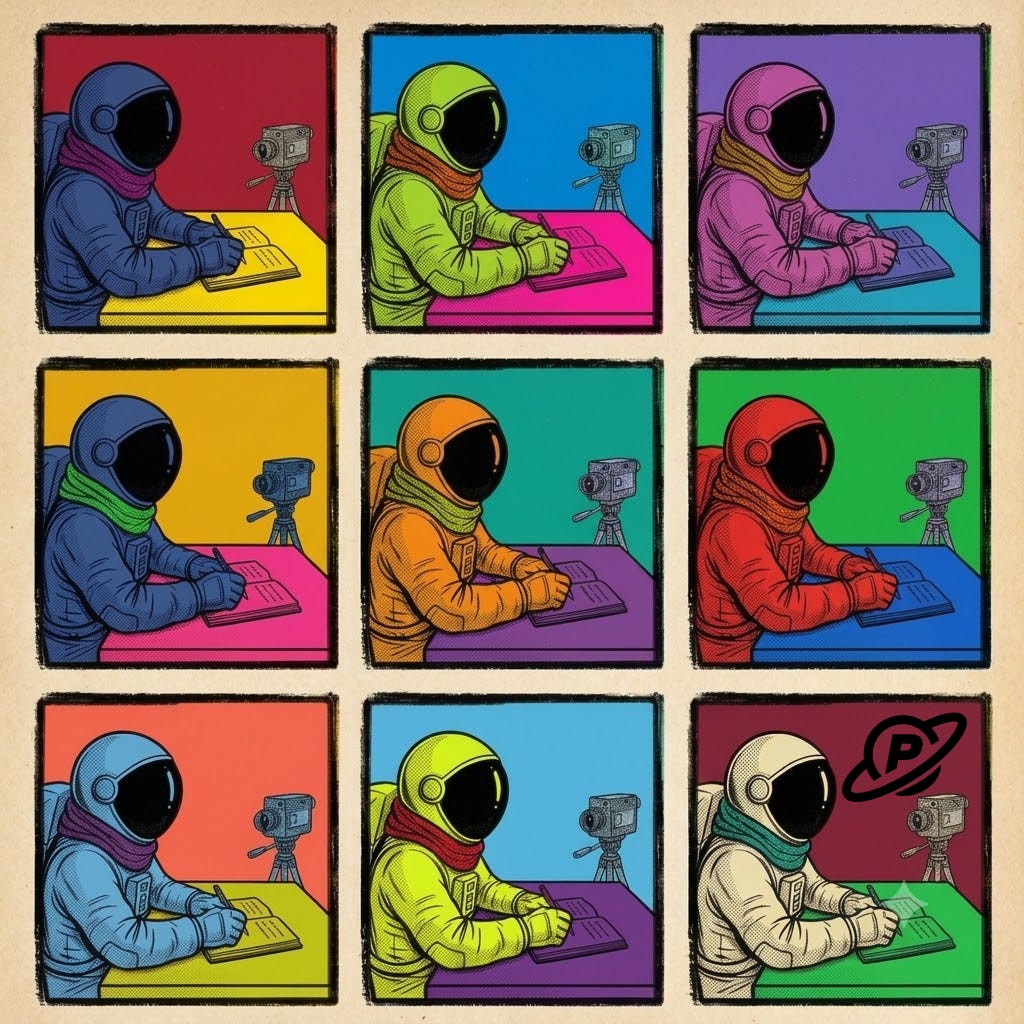
I find it difficult to recognise my own mistakes (even after dedicating an article to them). I don’t like watching my own talks because seeing my flaws is painful. But this is how we can improve. Video doesn’t lie. What we see is the reality. However, to ease the pain, try waiting a bit before watching it back.
The way I see it is that the you in the video is a different person than the you watching it back later. Therefore, the criticism you have for the person in the video is no longer as personal.
What is your relationship with mistakes?
The Number of Hours
The number
of hours
we have
together is
actually not
so large.
Please linger
near the
door uncomfortably
instead of
just leaving.
Please forget
your scarf
in my
life and
come back
later for
it.
— Mikko Harvey, “For M” (unchanged original vertical writing of it)
It’s a philosophical cliché but it’s worth remembering: time is limited, so enjoy it.
The poem shows us how even the mundane moments in life can influence the passing of time, beautifully captured in lingering at the door or leaving a scarf behind. Life happens fast, and we all feel that it passes faster the older we get. However, these mundane moments can help slow things down.
When do you notice time passing too fast?
Thanks for reading
— Michał
Post Notes


Podcast (Live Sessions)
Homepage | Spotify | YouTube | Apple Podcasts | Castbox | Pocket Casts
Connect
LinkedIn | Substack Profile | TopMate | X | Bsky