

One of my biggest flaws in how I operate is bikeshedding. It’s a behaviour described by C. Northcote Parkinson as the law of triviality, but popularised as bikeshedding by the BSD community, then spread to the software world. I first heard the term on a podcast named The Bike Shed.
Parkinson made up a story to present it: We are going to build a nuclear reactor (worth £10 million), and a £350 bike shed. But the committee spent 2 and a half minutes talking about the reactor, and 45 minutes discussing the shed for bikes. They moved on to the shed because everyone can understand it and has an opinion, and only a few members fully understand the reactor. This results in a weirdly asymmetrical amount of time dedicated to something trivial and unimportant for the nuclear plant’s energy output.
That story describes a committee, but we don’t need one. While deciding alone, the shed is just as tempting: it’s the part we fully understand, and it gives us an easy distraction from the reactor.
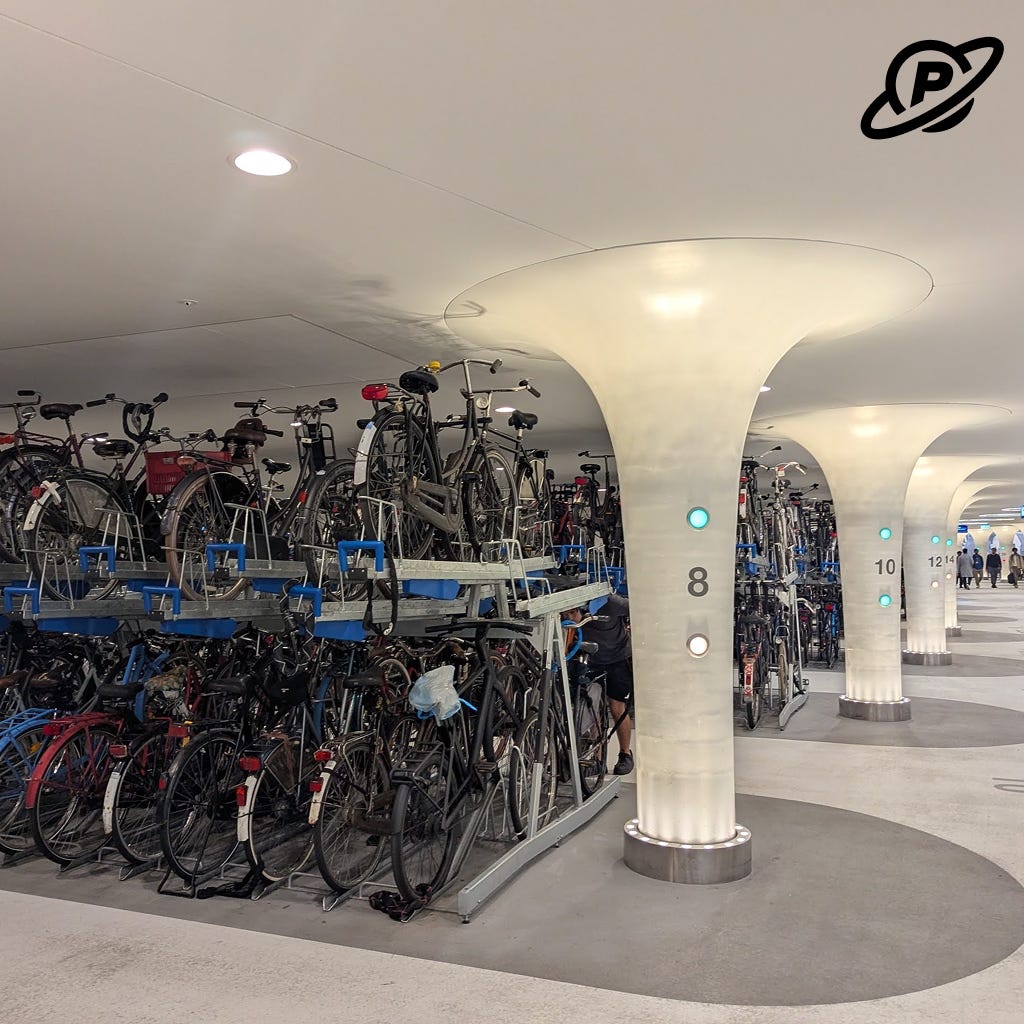
Over three months, I spent many tokens researching and trying yet another agent/assistant/LLM to analyse my writing and come up with a brand promise and a refreshed value proposition for this newsletter. A good tagline is important, but not as important as all other newsletter-growing activities like self-promotion or focusing on quality. I spent way too much time on the shed instead of my reactor.
The problem is that, for me, bikeshedding feels like progress. There is an illusion of being productive.
Symptoms I noticed:
I do endless research on angles to try and things to do
It got worse with AI, as using tokens to assess or research gives me a false sense of progress
Doing anything just to focus on something else, and feel progress, not necessarily in a desired direction
Overcoming:
Invert the law of triviality: allocate a time budget based on the stakes before you start
Think of reversibility before you decide how to act
Rely on randomness for low stakes
Big, demanding tasks can feel intimidating and scary, so focusing on light ones can act as a coping mechanism. That’s my hypothesis for why it happens. Also, researchers argue that procrastination can act as short-term mood repair, and it’s close to the concept of bikeshedding. I got the short-term mood repair while focusing on trivial things.
Right after I finished writing the raw draft of this article, I put the new tagline on Perspectiveship’s main site: Don’t outsource your thinking. One idea a week: a mental model, a perspective shift, or a real-life experiment. Sent every Thursday.
The practical reminder for decision-making is that we tend to spend more time on less important stuff, instead of focusing on important ones, our nuclear reactors. Tempted to go deeper into this metaphor: no bike shed will give you as much power as a reactor.
What is your relationship with bikeshedding?
Can you spot it in your actions?
Thanks for reading,
— Michał
Post Notes
Discover Weekly
Content worth your time:
Podcast (Live Sessions)
Homepage | Spotify | YouTube | Apple Podcasts | Castbox | Pocket Casts
Connect
LinkedIn | Substack Profile | TopMate | X | Bsky