

It’s 1:1 with the client. He says it’s important: “We need to have this feature on production by the end of today. We count on you, Michał. Can you get it done?”.
I want to help. After 5 seconds of processing the problem, I say: “Yes, of course. You can count on me”. Fast forward a few hours later and I deeply regret it. The feature is way more complicated than I thought. I end up working until 2 AM.
I got into trouble because of my rushed answers. I promised to deliver features even though it was impossible in the timeline I gave, I hired people fast and regretted it afterwards.
I knew that it was my flaw, but I found a cure. Now, I have a set of automatic rules to follow:
While making commitments:
I don’t estimate anything during a call with the client.
I don’t make hiring decisions the same day as the final interview.
While operating daily:
I don’t schedule meetings back-to-back without at least 15-minute breaks.
I don’t push big changes to production before leaving.
I wait 2 days before any impulse purchase.
How it works
“If you can replace judgements by rules and algorithms, they’ll do better”
— Daniel Kahneman
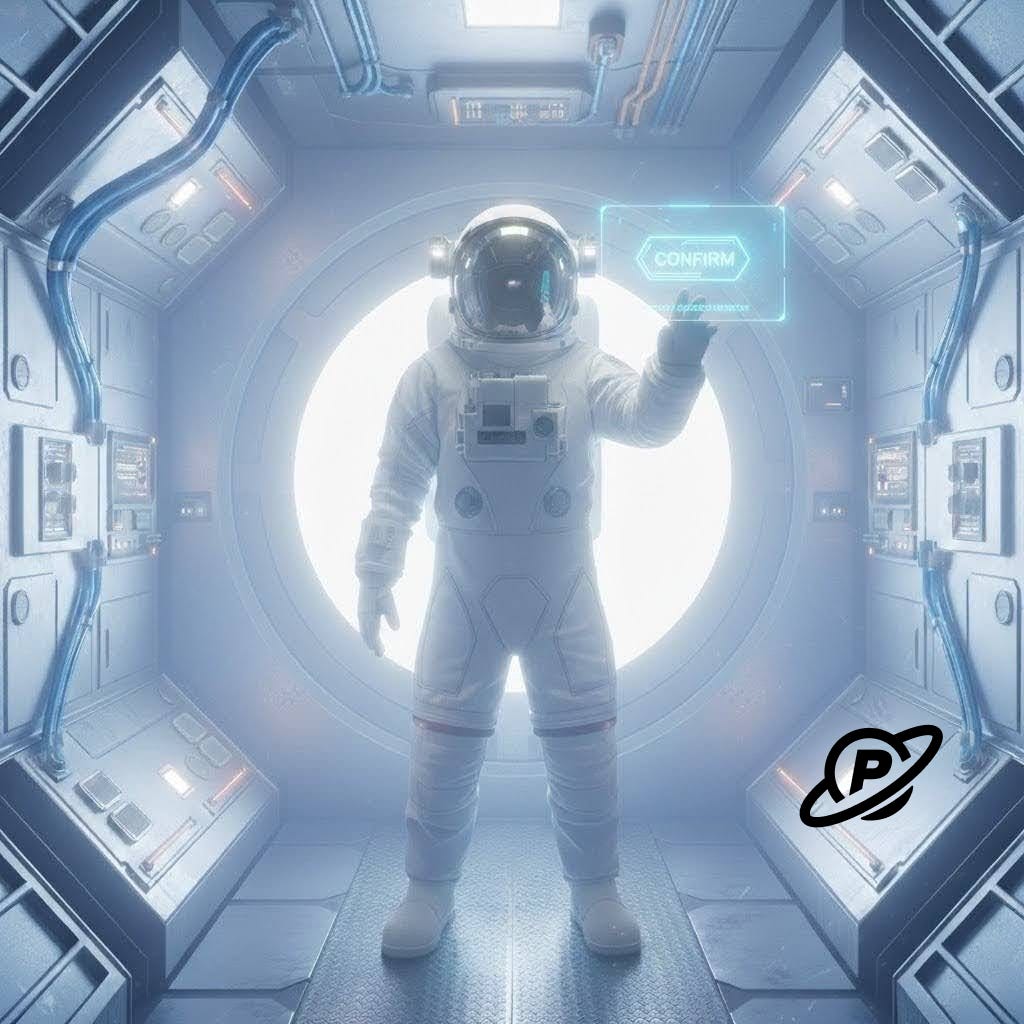
When you click to delete a file and the action is irreversible, you get a confirmation dialogue: “Do you really want to delete this file? This action can’t be undone”. This simple pause has saved many files on people’s computers and now in cloud storage.
It’s impossible to prevent biases from happening, but using circuit breakers in your processes can stop them from leading to bad decisions.
I started setting these rules after analysing my past decision logs and trying to learn from them. The most beneficial ones are ones that force me to pause:

Your rules
Where can you find ideas to set your own rules? Ask yourself:
When do I feel most pressured to answer when I’m not confident about?
What situations lead me to commit or do things I later regret?
Where do I consistently underestimate or overcommit?
Most importantly:
What rule would have saved you from your worst decision this month?
Thanks for reading,
— Michał
P.S. Automatic rules are only one ingredient of good decision-making practices. If you’re tired of regrets and want a repeatable system for high-stakes choices, I’ve distilled my process into the 5D Decision-making Pipeline workshop.
Post Notes

Discover Weekly — Shoutouts
Great articles which I’ve read recently:
Connect
LinkedIn | Substack DM | Mentoring | X | Bsky
It's an honour to be mentioned here 😎😎😎 Thank you, Michal!
That’s so true, I totally agree we should be able to audit these decisions